Basic Repair Techniques
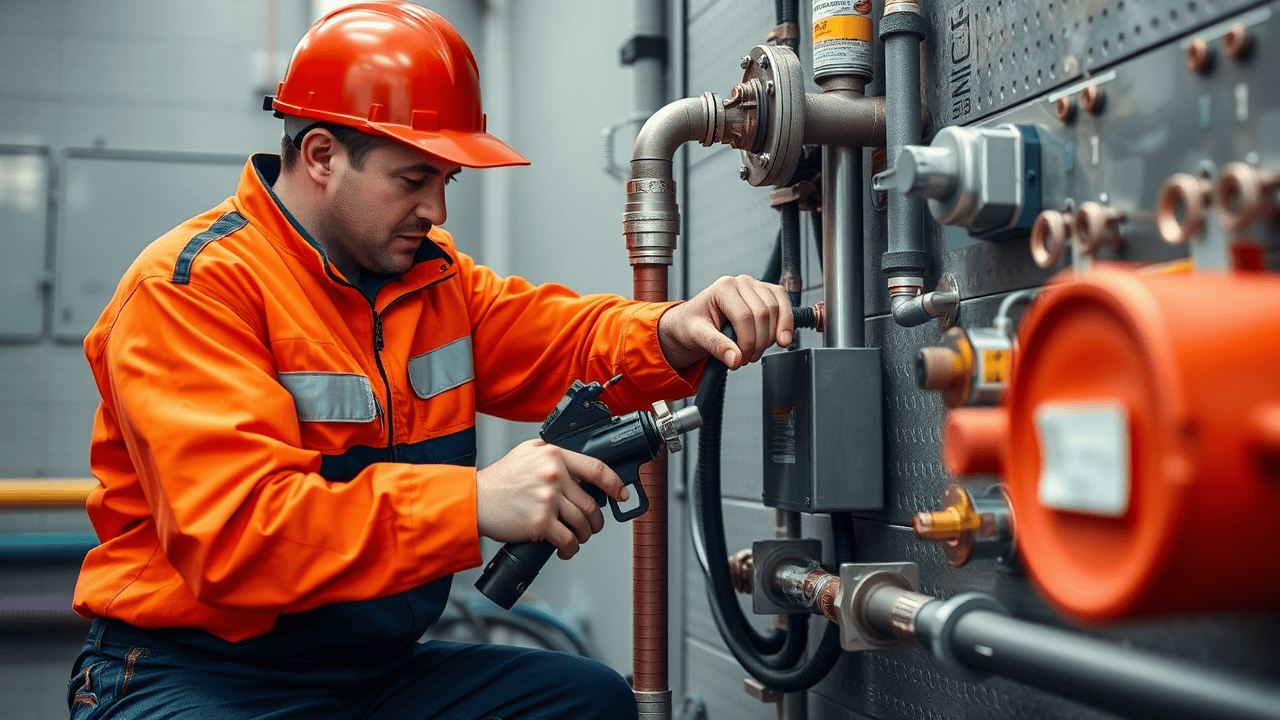
Basic repair techniques for a broken gas line often involve assessing the severity of the damage before deciding on a course of action. Small, manageable leaks may be sealed with specific tapes or compound materials designed for gas lines. For more significant damage, a section of the line might need to be replaced entirely. Proper identification of the leak's source is crucial to ensure a safe and effective repair. Homeowners attempting these repairs should keep safety as the top priority.
Gas line installation and repair in Eugene, Oregon, requires a thorough understanding of the types of materials used and the methods applied during repairs. Utilizing the correct sealing techniques can make a substantial difference in ensuring long-term integrity of the gas line. Professionals often rely on a combination of techniques, including the use of pipe fittings and thread sealants, to achieve a reliable seal. Ensuring that all repairs are made according to local regulations is essential for safety and compliance.
Learning How to Seal Small Leaks
Sealing small leaks in gas lines is a critical task that ensures safety and efficiency. A common method involves using a specialized gas leak sealing compound designed for this purpose. Before applying the compound, it is essential to clean the area thoroughly to allow for a strong bond. After the surface is prepared, the compound can be applied directly to the leaking section. Care must be taken to follow the manufacturer’s instructions for the best results.
For those handling gas line installation and repair in Oregon, understanding local regulations regarding sealant use is paramount. Some materials may be prohibited or require specific environmental considerations. It is advisable to consult professionals or local guidelines before proceeding with any repairs. Utilizing the right sealing techniques will not only resolve minor leaks effectively but also help maintain compliance with safety standards and codes.
Materials Needed for a Repair
When preparing for a gas line repair, having the right materials is crucial for ensuring safety and effectiveness. You will typically need pipe sealant, appropriate fittings, and a suitable length of pipe. Depending on the type of gas line, HDPE (high-density polyethylene) or steel may be required. Additionally, safety equipment such as gloves, goggles, and a gas leak detector can help minimize risks during the repair process.
For specific projects, Gas line installation and repair in Oregon often requires adhering to local codes and regulations. It is essential to select materials that meet these standards to guarantee both durability and compliance. In some cases, you might also need specialized tools, such as a pipe cutter or wrench, to facilitate the repair. Gathering all necessary supplies beforehand will streamline the process and prevent delays.
Choosing the Right Sealing Materials
Selecting the appropriate sealing materials is crucial for ensuring a safe and effective gas line repair. Options like pipe dope or Teflon tape designed specifically for gas lines provide reliable seals that resist leakage under pressure. It's essential to choose products labeled for gas use, as these materials can withstand the unique demands of gas distribution. For those involved in gas line installation and repair in Eugene, Oregon, familiarizing oneself with the available products in local hardware stores can save time and ensure compliance with safety standards.
Additionally, the specific type of sealing material might depend on the nature of the leak and the type of gas line involved, whether it’s flexible or rigid. Studying manufacturers' guidelines helps in determining which materials are optimal for various applications. For repairs on older systems, compatibility with existing materials should also be considered to avoid future complications. Understanding these aspects contributes significantly to the overall success of any repair efforts.
Local Regulations and Codes
Local regulations and codes play a vital role in ensuring the safety and reliability of gas line installations and repairs. These guidelines dictate the standards for how gas lines should be installed, maintained, and repaired. In many regions, including Oregon, specific permits may be required before any work can commence. It is crucial for contractors and homeowners alike to familiarize themselves with these regulations to avoid potential fines or safety hazards.
Gas line installation and repair in Oregon requires adherence to local codes, which often include specifications for materials, installation practices, and safety measures. Failure to comply can not only jeopardize safety but also lead to legal repercussions. Consulting with local authorities and obtaining the necessary permits ensures that all work meets state and federal safety standards.
Understanding Compliance for Gas Line Work
When undertaking any work on gas lines, understanding local regulations and codes is imperative. Different states, including Oregon, have specific requirements governing gas line installations and repairs, which are designed to ensure safety and compliance. It is essential to familiarize yourself with these regulations before starting a project. Noncompliance can lead to legal ramifications, safety hazards, or even accidents.
Gas line installation and repair in Eugene, Oregon, calls for adherence to both state and local codes. This encompasses acquiring the necessary permits and following detailed guidelines set forth by authorities. Local regulations may vary, and homeowners or contractors should verify the latest updates to ensure all work meets safety standards. Careful attention to compliance can prevent future issues and protect both life and property.
FAQS
Can I fix a broken gas line myself?
While some small repairs may be manageable for a DIY enthusiast, it is highly recommended to hire a licensed professional for any gas line issues, as improper repairs can lead to dangerous situations.
What tools do I need for fixing a gas line?
Essential tools may include a wrench, pipe cutter, and sealing tape. However, the specific tools needed can vary based on the type of repair being conducted.
How can I tell if I have a gas leak?
Common signs of a gas leak include a rotten egg smell, hissing sounds near gas lines, and dead or dying vegetation around the area. If you suspect a leak, evacuate the area and contact professionals immediately.
What are local regulations regarding gas line repairs?
Regulations can vary by location, but most areas require that gas line repairs be completed by a licensed professional to ensure compliance with safety codes and standards.
What types of sealing materials are best for repairing gas lines?
The best sealing materials depend on the type and size of the leak, but common options include pipe joint compounds specifically designed for gas lines and gas-rated sealing tape. Always consult with a professional for recommendations.