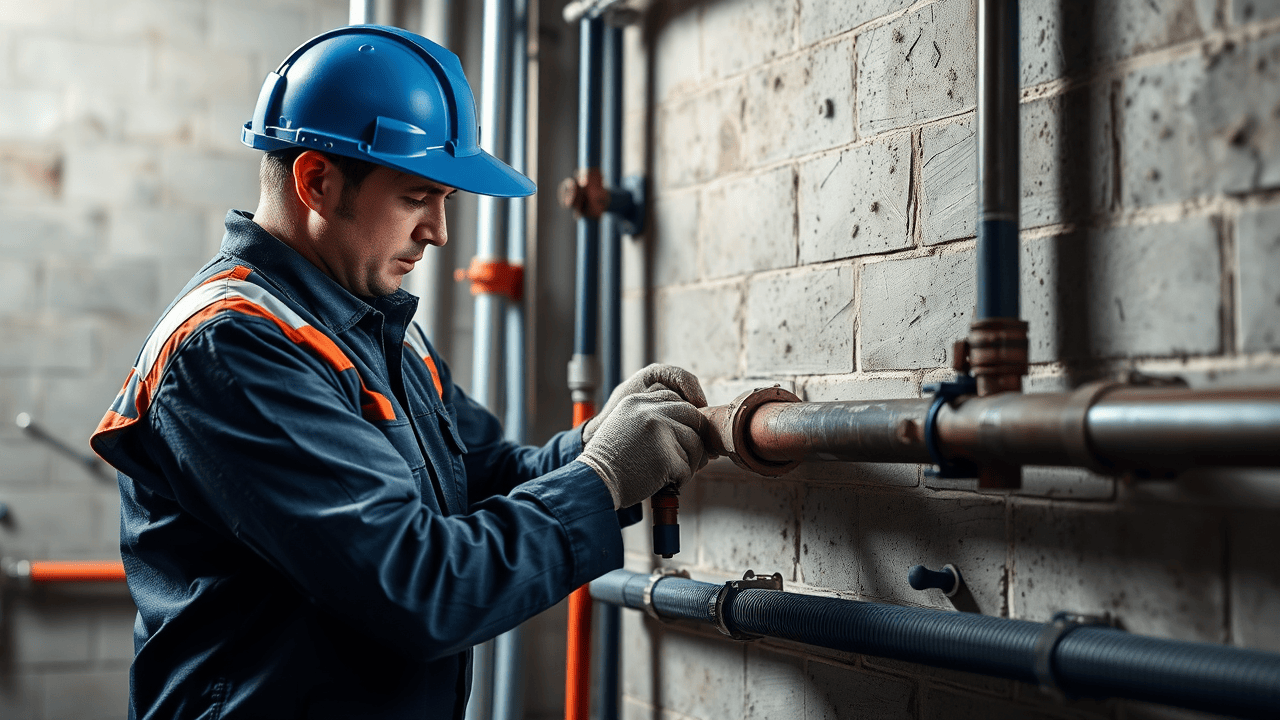
At Don Lewis Plumbing Service, we specialize in exceptional pipe installation and repair, ensuring your plumbing system operates smoothly and efficiently. Our experienced team is equipped to handle everything from residential pipe replacements to commercial pipe repairs, using high-quality materials and advanced techniques to provide long-lasting solutions. Whether you’re dealing with a leaky pipe, a complete system overhaul, or the need for new piping in a renovation project, we take pride in delivering prompt, reliable service tailored to your specific needs. With our commitment to customer satisfaction and a focus on precision, you can trust Don Lewis Plumbing Service to keep your plumbing system in top shape.
Importance of Professional Plumbing Services
Ensuring proper plumbing throughout a home or business is vital for functionality and safety. Professional plumbers possess the expertise needed to identify and resolve issues that may not be apparent to the untrained eye. They understand local codes and regulations, ensuring all work meets necessary legal standards. Hiring a professional can prevent costly mistakes that arise from DIY attempts, which may lead to further damage or complications.
In addition to providing skillful installation and repairs, licensed plumbers often offer valuable advice on maintenance and upgrades. Their experience allows them to recommend the best solutions tailored to specific plumbing needs. This guidance can save homeowners time and money in the long run. Moreover, professional services typically come with warranties, giving peace of mind that the work performed is reliable.
Benefits of Hiring a Licensed Plumber
Hiring a licensed plumber ensures that the work is performed according to established standards and regulations. These professionals have undergone rigorous training and gained experience, enabling them to tackle a variety of plumbing issues effectively. With their expertise, homeowners can trust that repairs will be made correctly the first time, reducing the likelihood of recurring problems. A licensed plumber is also familiar with local codes, ensuring all work complies with legal requirements.
In addition to expertise, licensed plumbers come equipped with the right tools and technologies to address issues promptly. They can diagnose problems accurately, preventing further damage and saving homeowners money in the long run. Their professional approach often includes warranties or guarantees on their work, providing additional peace of mind. Utilizing their services not only enhances the safety and functionality of plumbing systems but also streamlines the repair and installation process significantly.
DIY Pipe Maintenance Tips
Regular inspection of your pipes is essential for maintaining their integrity and preventing costly repairs. Begin with a visual check for any signs of leaks, corrosion, or wear. Pay attention to areas around joints and fittings as these are often the most vulnerable spots. Additionally, ensure that all exposed pipes are adequately insulated, especially in colder months, to prevent freezing and potential bursting.
Clearing out your drains on a regular basis is another key maintenance tip. Avoid pouring grease, oil, or food scraps down the sink as these can accumulate and cause blockages. Using a drain strainer can help catch larger debris before it enters your plumbing system. For routine cleaning, a mixture of hot water and baking soda followed by vinegar can effectively break down buildup without harsh chemicals.
Simple Practices to Prevent Pipe Problems
Keeping pipes in good condition requires regular maintenance and simple preventive measures. One effective practice is to regularly check for leaks and drips under sinks and around toilets. Addressing these issues promptly can prevent further damage and avoid costly repairs down the line. Additionally, insulation is crucial in freezing temperatures. Preventing outside cold air from reaching pipes mitigates the risk of freeze and burst scenarios during winter months.
Routine maintenance also includes being mindful of what goes down the drain. Using drain screens can catch hair and food particles, minimizing clogs and buildup. Avoid pouring grease or oil down the sink, as they can solidify and create blockages. Flushing your system with warm water and vinegar can help maintain pipes clear of debris. These simple yet effective practices can extend the life of your plumbing system and keep it functioning smoothly.
Choosing the Right Plumbing Materials
Selecting appropriate plumbing materials is crucial for long-lasting system performance. Factors such as durability, corrosion resistance, and application purpose significantly influence the decision. For instance, copper pipes offer excellent longevity and resistance to bacterial growth, while PVC pipes are lighter and easier to install but might not withstand high temperatures. Understanding the specific needs of your plumbing system can help you make an informed choice.
Cost is another significant aspect to consider when choosing plumbing materials. While some options may be less expensive upfront, they might require more frequent replacements or repairs, ultimately increasing long-term expenses. It's essential to balance initial costs with the potential for future maintenance needs. Evaluating the environment where the pipes will be installed also plays a role in choosing the best materials. This ensures the plumbing system will not only function well but also last for years with minimal intervention.
Factors to Consider When Selecting Pipes
Selecting the right plumbing materials requires careful consideration of various factors. One key element is the type of fluid being transported. Different materials exhibit varying levels of chemical resistance, durability, and flexibility that can impact performance over time. For instance, potable water lines often necessitate pipes made from materials such as copper or CPVC, both of which meet safety standards for drinking water.
Additionally, the pipe’s pressure rating is crucial to ensure it can handle the intended flow and pressure without risk of failure. Assessing environmental conditions, such as temperature extremes and potential exposure to corrosive elements, will also influence material choice. Selecting the appropriate diameter is vital for maintaining optimal flow while minimizing energy costs. Therefore, understanding these considerations can lead to a more effective and long-lasting plumbing installation.
FAQS
Why is it important to hire a professional plumber for pipe installation and repair?
Hiring a professional plumber ensures that the installation or repair is done correctly and safely, which helps prevent future issues and prolongs the lifespan of your plumbing system.
What are the benefits of hiring a licensed plumber?
Licensed plumbers have the necessary training, knowledge, and experience to handle plumbing issues efficiently. They also adhere to local codes and regulations, providing you with peace of mind and quality workmanship.
How can I maintain my pipes without professional help?
Regular maintenance practices include checking for leaks, insulating pipes to prevent freezing, avoiding pouring grease down drains, and regularly flushing your pipes to remove buildup and debris.
What simple practices can I implement to prevent pipe problems?
Simple practices include regularly inspecting your plumbing system, using strainers in sinks and showers to catch debris, and keeping an eye on water pressure to avoid stress on the pipes.
What factors should I consider when selecting plumbing materials?
Factors to consider include the type of plumbing system you have, the water quality in your area, durability and lifespan of materials, resistance to corrosion, and your budget for materials and installation.