Applying the Sealant
To address a leaky pipe joint effectively, selecting the right sealant is crucial. Many types of sealants are available, including silicone-based, epoxy, and pipe thread sealants. Each has its own properties suitable for various pipe materials and joint configurations. Ensure the chosen sealant is compatible with the type of pipes you are working with, as some formulations may not adhere properly to particular surfaces. Clean the area around the joint thoroughly to remove any debris, grease, or moisture before applying the sealant. This preparation allows for optimal adhesion and performance of the sealant.
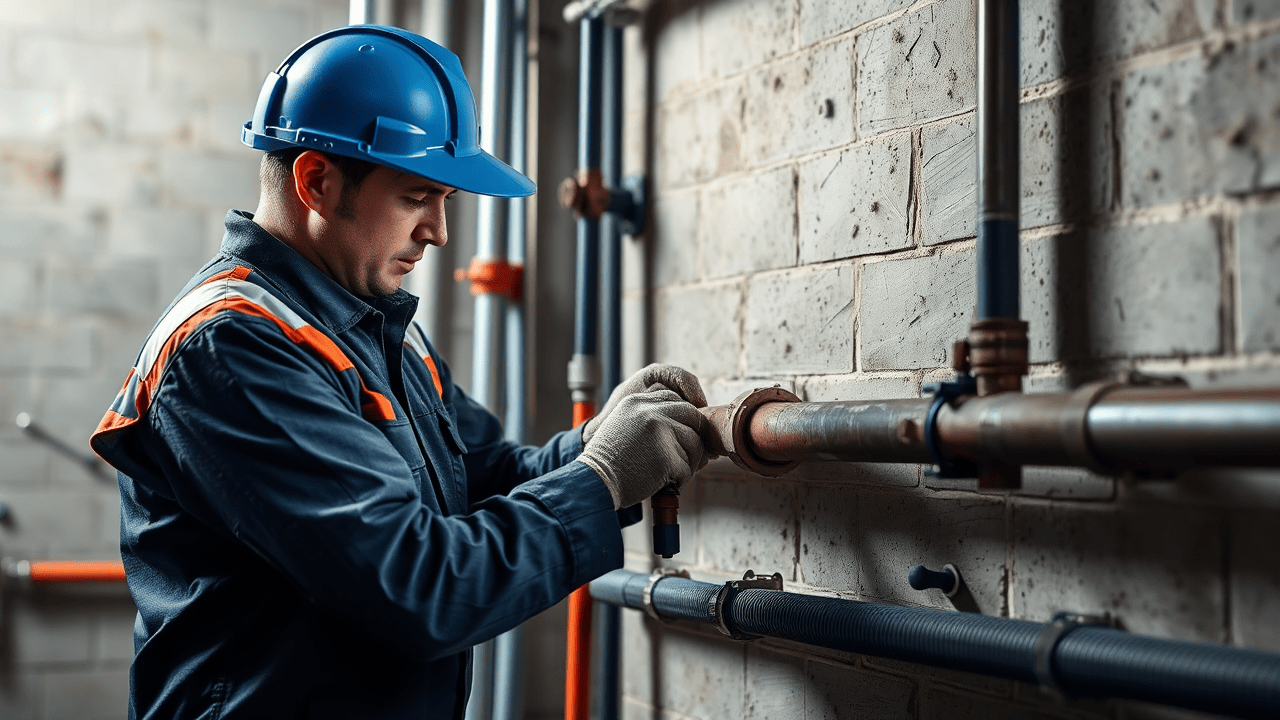
Applying the sealant requires precision. Start by applying a continuous bead along the joint, ensuring an even distribution without gaps. Use a putty knife or your finger to smooth the sealant into the joint for better adhesion. Be mindful not to over-apply, as excess sealant can lead to clogs or problems down the line. After application, allow the sealant to cure according to the manufacturer’s guidelines. If needed, you can seek out professionals by searching for "pipe installation and repair near me" to ensure the best results for your plumbing issues.
StepbyStep Process for Effective Application
Before applying the sealant, ensure the area around the leaky joint is clean and dry. Use a wire brush or cloth to remove any debris, dirt, or old sealant. This step is crucial for achieving a solid bond with the new sealant. Once the surface is prepared, choose a suitable sealant designed for plumbing use. Read the instructions carefully to ensure compatibility with your pipe material. Apply a generous amount of sealant around the joint, making sure to cover any visible cracks or gaps.
After applying the sealant, smooth it out with a putty knife for an even finish. Allow the sealant to cure as per the manufacturer’s guidance before testing for leaks. During this time, monitor the area closely. If you feel uncertain about doing the repair yourself, search for "Pipe installation and repair near me" to find professional services that can assist you. Their expertise can provide peace of mind and ensure that the repair holds effectively.
Reinforcing the Repair
Reinforcing the repair enhances the durability of the fix and provides added assurance against leaks. One effective method is to wrap the joint with specialized repair tape designed for plumbing. This tape is often made from a strong, weather-resistant material that helps create a tight seal around the pipe. For optimal results, ensure the area is dry and clean before applying the tape. The more layers you apply, the stronger the reinforcement will be, so consider building it up if the leak is persistent.
Another approach to strengthen the seal is to use a pipe clamp or a hose clamp around the joint. This can effectively compress the repair material, ensuring a tighter fit. Ensure that the clamp is appropriately sized for the pipe and positioned around the area where the leak occurred. For those uncertain about tackling the repairs themselves, searching for “pipe installation and repair near me” can lead to professional services that can offer expert assistance and additional options for maintaining pipe integrity.
Additional Methods to Strengthen the Seal
One effective method to enhance the seal around a leaky pipe joint involves wrapping the joint with plumber’s tape. This tape, made of a durable and water-resistant material, can provide an additional layer of protection against leaks. Start by cleaning the area around the joint to ensure good adhesion. Once clean, carefully wrap the tape around the joint, overlapping each layer to create a tight seal. This technique is particularly useful for threaded connections but can also be adapted for smooth surfaces with some caution.
Another option is to use epoxy putty. This two-part adhesive can bond and seal effectively, creating a strong, waterproof barrier. To apply, cut off a piece of putty and knead it until it’s well mixed and the color is uniform. Then press the putty firmly into the leaky area, ensuring it fills any gaps. Allow it to cure according to the manufacturer’s instructions before testing for leaks. If you're unsure about your skills or the effectiveness of these methods, searching for "pipe installation and repair near me" can provide local professionals who can assist with the job.
Testing for Leaks
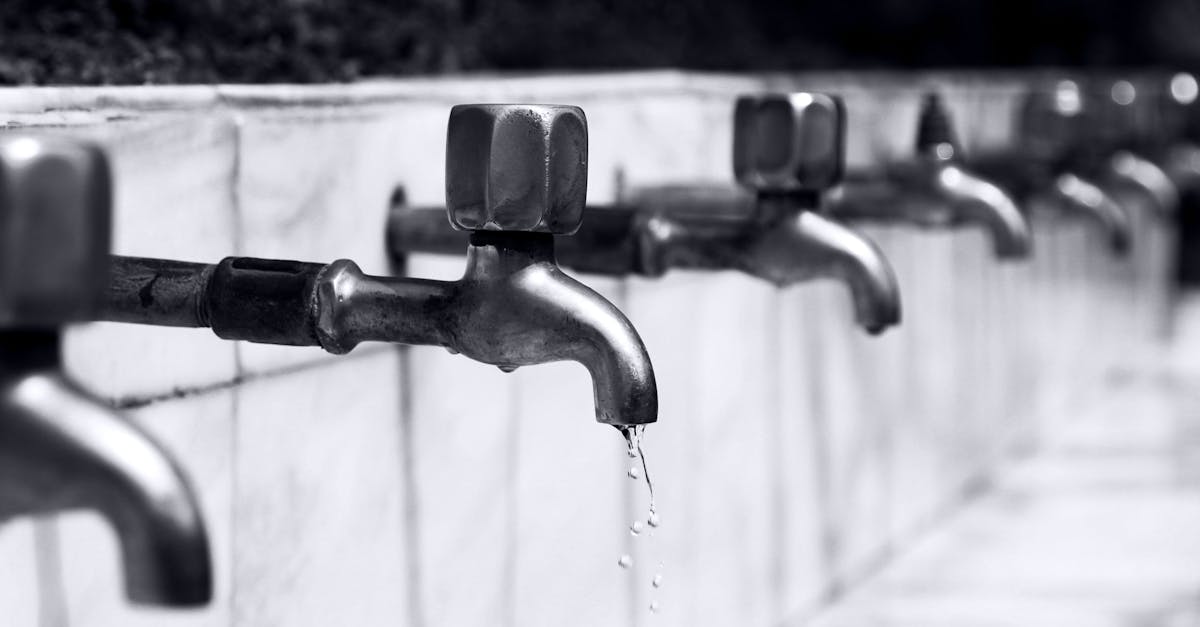
After applying the sealant to the leaky pipe joint, it is crucial to test for leaks to ensure that the repair has been effective. Begin by turning the water supply back on slowly. Observe the area around the joint for any signs of moisture or dripping. A thorough inspection will help identify any potential leaks that may not be immediately visible. If possible, allow the water to run for a short period while keeping a close eye on the repaired area.
If you notice any leaks during this test, further action may be required. Consider reaching out for assistance by searching for “pipe installation and repair near me.” Professionals in your area can provide expertise and additional solutions if needed. Regular maintenance and monitoring after repairs can also prevent future issues, ensuring that your plumbing system remains efficient.
Best Practices for Ensuring a Tight Seal
To ensure a tight seal on a leaky pipe joint, it is crucial to follow best practices during the application process. Clean the area around the joint thoroughly, removing any debris, dirt, or old sealant. A clean surface allows for better adhesion of the sealant. Once the area is prepped, apply the sealant evenly, making sure to fill in any gaps or cracks in the joint. Using an appropriate sealant designed for plumbing can further enhance the effectiveness of the repair.
After the initial application, reinforcing the joint can prevent future leaks. Consider using a pipe wrap or silicone tape to provide additional support. Wrap it tightly around the joint, overlapping as you go to create a secure barrier. Regularly inspect the repair for any signs of moisture or damage. For those unsure about the process, searching for "pipe installation and repair near me" can connect you with professionals who can provide assistance and ensure the job is done properly.
FAQS
Can I use duct tape to fix a leaky pipe joint temporarily?
While duct tape might offer a very temporary seal, it is not a long-term solution for fixing a leaky pipe joint. It is advisable to use a proper sealant designed for plumbing to ensure a more effective and durable repair.
What type of sealant should I use for a leaking pipe joint?
It is best to use a pipe joint sealant specifically formulated for plumbing applications, such as Teflon tape, pipe dope, or silicone sealants, depending on the material of the pipes and the severity of the leak.
How long does it take for sealant to cure before I can test for leaks?
Curing times vary by product, but most sealants will need at least a few hours to set properly. Always refer to the manufacturer's instructions for specific curing times.
Are there any additional methods to reinforce a pipe joint repair?
Yes, you can reinforce a pipe joint repair by wrapping it with a self-fusing silicone tape or using a pipe repair clamp, which can provide extra support and durability to the seal.
What should I do if the leak persists after attempting to seal it?
If the leak continues after applying sealant, it may indicate a more serious problem. In such cases, it is advisable to consult a professional plumber to assess and fix the issue properly.