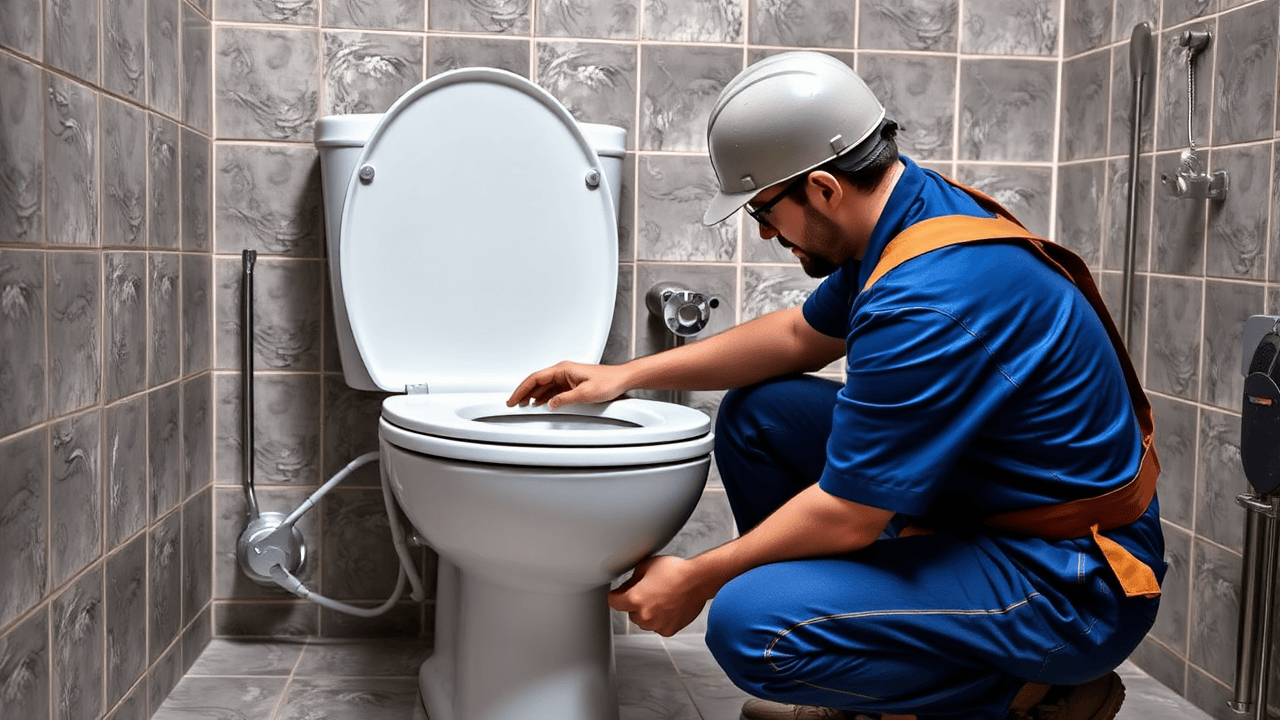
At Don Lewis Plumbing Service, we specialize in professional toilet installation and repair, ensuring your bathroom functions seamlessly and efficiently. Whether you're upgrading to a modern model or need urgent repairs for a malfunctioning toilet, our skilled technicians are equipped to handle it all. We prioritize quality workmanship and customer satisfaction, providing timely service that minimizes disruption to your home. From fixing leaks to properly installing new units, we take care of every detail with precision and care. Trust Don Lewis Plumbing Service to keep your toilet in top shape, so you can enjoy peace of mind and a reliable plumbing system.
Maintenance Tips for Longevity
Toilets require regular maintenance to ensure they function efficiently over time. Routine cleaning helps prevent the buildup of minerals and bacteria, which can lead to clogs and odors. It's important to use the right cleaning products, as harsh chemicals can damage the internal components of the toilet. Periodically inspect the parts such as the flapper, fill valve, and flush handle for any signs of wear. Replacing worn-out components promptly can prevent larger issues in the future.
Another key aspect of maintenance involves checking for leaks. A simple test involves adding a few drops of food coloring to the tank and waiting for about 30 minutes. If the color appears in the bowl, a leak is present, indicating that parts may need replacing. Additionally, ensuring the toilet is securely mounted to the floor can help prevent wobbling, which may lead to cracks or other damage over time. Regularly maintaining your toilet can significantly extend its lifespan and enhance its performance.
Regular Cleaning and Checks
Keeping a toilet in good working condition requires regular attention and care. Routine cleaning helps prevent the buildup of grime and mildew, which can lead to more serious issues down the line. Wipe down the exterior surfaces to eliminate dust and splash marks. For the bowl, use a suitable toilet cleaner and a sturdy brush to tackle stubborn stains. It's essential to clean under the rim where bacteria can accumulate, ensuring every part is addressed during the process.
In addition to cleanliness, it’s advisable to carry out periodic checks on various components of your toilet. Inspect the flapper valve, which regulates water flow, as wear or sediment buildup can lead to leaks. Make sure that the water level in the tank is appropriate and that the fill valve functions correctly. Keeping an eye on these aspects can help catch potential problems early and keep your toilet functioning efficiently.
Understanding Toilet Types
Toilets come in various styles and features, catering to different preferences and needs. The most common types include gravity-flush, pressure-assisted, and dual-flush toilets. Gravity-flush models rely on the force of gravity to move water from the tank into the bowl, creating a simple yet effective flushing mechanism. Pressure-assisted toilets use air pressure to forcefully push water into the bowl, offering a more powerful flush. Dual-flush toilets allow users to choose between a full or partial flush, helping to conserve water while maintaining efficiency.
In addition to traditional models, smart toilets have gained popularity, integrating technology for enhanced user experience. These toilets may feature heated seats, bidet functions, and automatic lid opening. The choice of toilet type can significantly impact water usage and overall comfort. Understanding the various options available helps in making an informed decision when selecting a toilet for your home or business.
Differences Between Standard and HighEfficiency Toilets
Standard toilets typically use a significant amount of water per flush, usually around 1.6 gallons. This design has been prevalent for many years, providing reliable flushing power for households. However, concerns over water conservation and rising utility costs have led to the development of high-efficiency models. These toilets often use less than 1.28 gallons per flush, making them a more sustainable choice without sacrificing performance.
High-efficiency toilets feature advanced technology that optimizes water usage while maintaining effective waste removal. Many models incorporate dual-flush systems, allowing users to choose between two different flushing options based on the needs. These innovations not only reduce water consumption but also lower monthly water bills. Understanding the differences between these toilet types can assist homeowners in making informed decisions about their plumbing needs.
When to Call a Professional
Certain situations in toilet installation or repair can lead to complications that may be beyond typical DIY efforts. Issues such as persistent leaks, clogged toilets that won’t flush properly, or constant running water can indicate a more serious problem with your plumbing system. Attempting to fix these on your own might not only fail to resolve the issue but could also exacerbate the damage, leading to more costly repairs in the long run.
Experience plays a critical role in plumbing repair and installation. If you're unsure about the complexity of the task, seeking assistance from a professional plumber is advisable. They possess the necessary tools and expertise to diagnose issues effectively and implement solutions that ensure a long-lasting fix. Relying on skilled professionals can give you peace of mind, knowing that the job will be done correctly and up to code.
Assessing Your Plumbing Skills
Understanding your own plumbing skills is crucial before attempting any toilet installation or repair. Consider your experience with basic tools and plumbing systems. If you have worked on similar tasks previously, you may feel more confident tackling a new project. On the other hand, if plumbing is unfamiliar territory, it might be wise to reconsider taking on the job yourself.
Evaluating how comfortable you feel with various plumbing components is also important. From replacing a flapper valve to installing a new toilet, each task requires a different level of expertise. Mishandling installations can lead to leaks or more significant plumbing issues. Weighing your skills against the requirements of the task can help you make a more informed decision about whether to proceed or seek professional assistance.
FAQS
How often should I clean my toilet to ensure longevity?
It is recommended to clean your toilet at least once a week to prevent buildup and maintain its functionality.
What are the main differences between standard and high-efficiency toilets?
Standard toilets typically use 1.6 gallons per flush, while high-efficiency toilets use 1.28 gallons or less, which can lead to water savings without sacrificing performance.
When should I consider calling a professional for toilet repair?
You should call a professional if you're experiencing persistent leaks, frequent clogs, or if you're unsure about tackling a repair yourself.
Can I install a toilet myself, or do I need a plumber?
If you have basic plumbing skills and tools, you can install a toilet yourself; however, it is often advisable to hire a plumber for complex installations or repairs.
What should I check regularly to maintain my toilet?
Regular checks should include inspecting for leaks, ensuring the flush mechanism is working properly, and checking the condition of the toilet seal and tank components.