Average Costs of Toilet Replacement
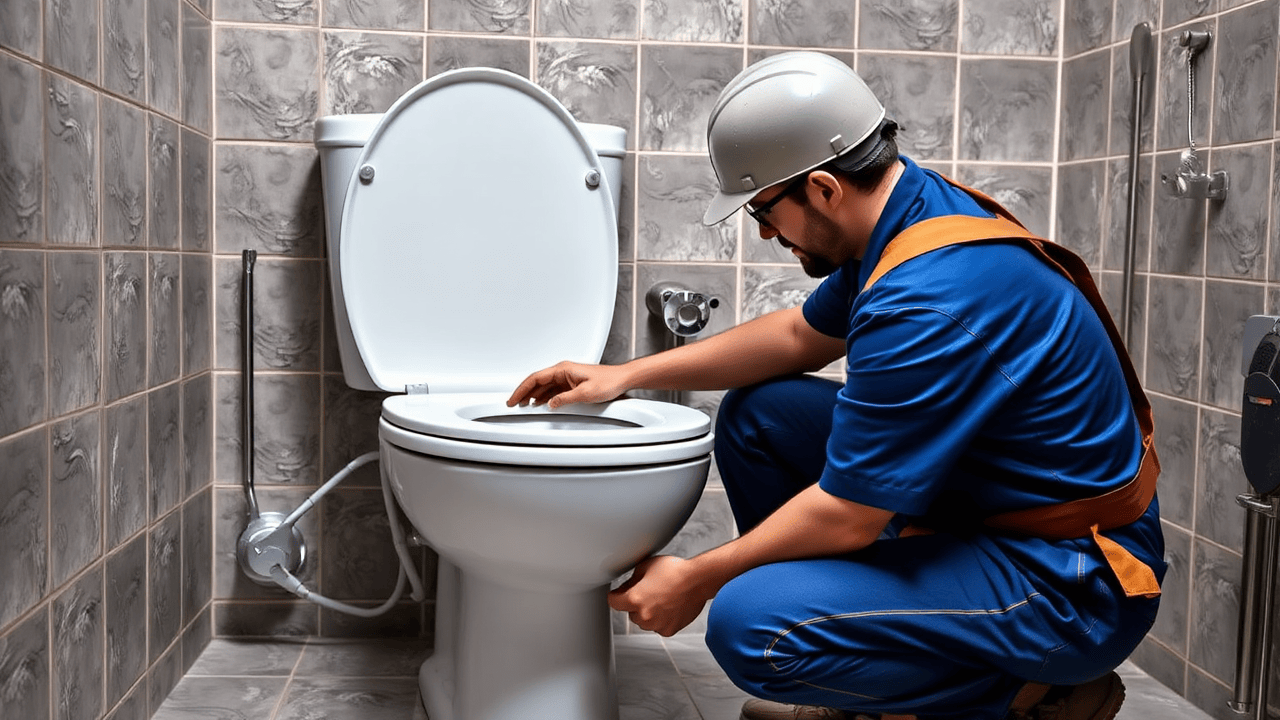
Replacing a toilet typically incurs several costs, ranging from the purchase of the new unit to installation fees. The price of a new toilet can vary widely based on the style, brand, and features. Basic models may start around $100, while high-efficiency or luxury options can exceed $500. In addition to the toilet itself, homeowners should also consider the costs associated with installation, which can vary depending on the complexity of the job. Hiring a professional usually adds $150 to $200 to the overall expense.
In regions like Oregon, toilet installation and repair services may have unique pricing due to local labor rates and material costs. Regional building codes and the need for permits can also affect the final price. Homeowners need to budget not only for the purchase and installation but also for any potential extras, such as plumbing modifications or removal of the old toilet. Understanding these factors can help in making an informed decision about whether to replace an aging toilet.
Breakdown of Installation and Materials
The costs associated with toilet installation and replacement can vary widely based on the type of toilet chosen and any additional features. Basic models tend to have lower price tags. High-efficiency toilets often attract a premium due to their water-saving capabilities. In addition to the toilet itself, homeowners need to consider expenses related to installation materials including wax seals, supply lines, and potentially new bolts. Labor costs can also increase depending on the complexity of the installation.
When evaluating the overall expense, it's essential to account for any necessary modifications to plumbing or flooring. This could involve extra materials for securing the toilet properly or addressing leaks. For those in need of professional assistance, understanding local pricing for services like toilet installation and repair Eugene, Oregon can provide a clearer picture of what to expect. In cases where extensive repairs are required, replacement might emerge as a more economical long-term solution despite higher upfront costs.
LongTerm Value Analysis
When evaluating long-term value, the age and condition of the existing toilet play significant roles. Older models often use more water per flush, leading to higher utility bills. A modern toilet generally offers improved efficiency, with low-flow options that can significantly reduce water usage over time. Considering these factors, investing in a replacement can provide savings on water bills, making it a sound financial decision in the long run.
In addition, the durability of newer toilet models tends to be higher, which can translate into fewer repairs and maintenance costs over time. A toilet that has frequent issues may disrupt daily life and require repeated service calls, adding to overall expenses. Assessing the cost of toilet installation and repair in Oregon also highlights the potential savings associated with a timely replacement. Ultimately, weighing the immediate costs against long-term benefits is crucial for making an informed decision.
Evaluating Repair vs. Replacement Over Time
When evaluating whether to repair or replace a toilet, it is essential to consider the age and condition of the fixture. Toilets that are more than 10 to 15 years old may not operate as efficiently and could require more frequent repairs. Over time, these costs can add up, potentially making a replacement a more economically sound choice. Investing in a new toilet can lead to better performance, lower water bills, and fewer maintenance issues in the long run.
Factors such as the type of repairs needed should also be taken into account. Minor issues like replacing a flapper or fixing a running toilet may warrant repair, but more significant problems, like cracks in the porcelain or outdated models, might suggest replacement. Given the advances in toilet technology, newer models often offer improved water efficiency and enhanced features. For homeowners in regions like Oregon, the scope of toilet installation and repair can further influence the decision to invest in a replacement over time.
DIY Repair vs. Professional Services
Many homeowners consider tackling toilet repairs on their own to save money. Simple issues such as a running toilet or a loose handle can often be fixed with just a few basic tools and minimal experience. Online videos and tutorials provide guidance for these DIY fixes, making it accessible for individuals with a bit of confidence and patience. However, it's essential to ensure that the problem is straightforward to avoid complications that could lead to more significant issues or water damage.
In some cases, calling a professional may be the best option. Issues such as a toilet that won't flush properly or leaks from the base may require more expertise. Professionals are equipped with the right tools and experience to handle more complex problems efficiently. Additionally, they can provide peace of mind with warranties on their work. For those in need of assistance, searching for "toilet installation and repair Eugene, Oregon" can connect homeowners with reliable local plumbing services.
When to Call in a Plumber
Determining when to call in a plumber can save homeowners from additional headaches and expenses. If the issue at hand is beyond simple clogs or minor leaks, it may be time to seek professional assistance. Complex problems, such as those involving the toilet tank, bowels, or any persistent backup, often require specialized knowledge and tools. For those in need of expert help, local resources such as toilet installation and repair Eugene, Oregon, can provide reliable services tailored to specific plumbing needs.
Some homeowners may attempt DIY repairs to tackle toilet issues. However, if these attempts consistently fail or the problem recurs, it indicates a deeper issue that should be addressed by a trained professional. Professional plumbers can swiftly identify underlying issues that may not be apparent to an untrained eye. They can also ensure that the repairs are compliant with local plumbing codes, providing peace of mind and preventing potential complications in the future.
FAQS
How much does it typically cost to replace a toilet?
The average cost to replace a toilet can range from $200 to $600, including the price of the new toilet and installation fees.
What are common reasons for toilet repairs?
Common reasons for toilet repairs include leaks, clogs, flushing issues, and worn-out components like flappers or fill valves.
How can I determine if I should repair or replace my toilet?
Consider the age of the toilet, the extent of the damage, the cost of repair versus replacement, and any ongoing issues. If repairs are frequent or costly, replacement may be the better option.
Are DIY toilet repairs worth it?
DIY repairs can save you money, but it's important to have the right tools and knowledge. If the repair is complex or involves plumbing systems, it may be best to hire a professional.
When should I call in a plumber for toilet issues?
You should call in a plumber if you experience persistent problems, extensive leaks, or if you are unsure about how to safely perform a repair. Professional help ensures the issue is resolved correctly.