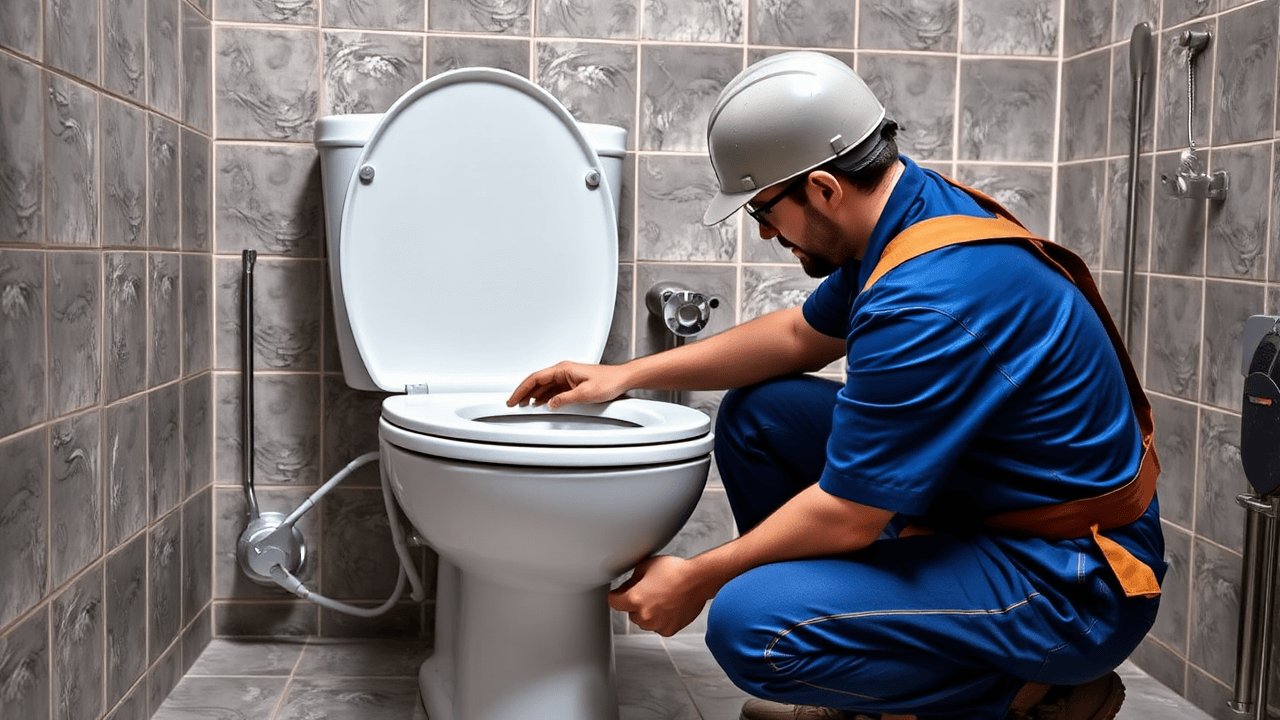
Geographic Variations in Installation Costs
Costs for toilet installation can vary significantly based on geographic location. Urban areas often have higher labor rates due to demand and availability of skilled professionals. Smaller towns or rural regions typically see lower costs associated with both parts and labor, but may have fewer choices when it comes to contractors.
In states like Oregon, region-specific factors also play a role. Toilet installation and repair in Oregon might be influenced by local building codes and regulations. Variations in material costs, transportation expenses, and even local competition among service providers can further impact the final installation price. Homeowners should research and compare quotes, as this can lead to significant savings.
Regional Differences
Regional variations significantly impact the cost of toilet installation and repair. Factors such as labor rates, cost of living, and local building regulations can drastically alter the final price. For example, urban areas with a higher cost of living typically see higher installation costs compared to rural regions. This difference can be attributed to the availability of skilled labor and the demand for plumbing services, which fluctuates based on population density and local economies.
Toilet installation and repair in Oregon reflects these regional differences as well. In larger cities like Portland, homeowners may face steeper labor fees and increased material costs. Conversely, in more remote areas of the state, prices tend to be lower due to less competition among contractors. Understanding these regional cost dynamics is essential for homeowners looking to budget effectively for their plumbing needs.
Hidden Costs to Consider
When budgeting for a toilet installation, homeowners should be aware of potential hidden costs that can arise during the process. Unexpected repairs may be necessary, especially if the existing plumbing system shows signs of wear or damage. Issues such as leaks, corroded pipes, or inadequate water supply lines may need addressing before a new toilet can be properly installed. These additional repairs can significantly impact the final cost, so it's wise to account for them in the initial budget.
Another consideration involves the specific requirements for toilet installation and repair in Oregon. Local building codes may mandate certain standards that could lead to extra expenses if modifications are needed. Obtaining any permits required by local authorities can also add to the overall cost. Evaluating these factors early in the decision-making process can help prevent financial surprises later on.
Unexpected Repairs
Unexpected repairs can significantly impact the overall cost of toilet installation. Issues such as outdated plumbing, leaks, or foundation problems may arise during the installation process. Homeowners often discover these hidden concerns only once the old toilet has been removed, leading to additional expenses. The need for unexpected plumbing work can also extend the installation timeline, which adds labor costs.
In regions like Oregon, the costs associated with toilet installation and repair can vary widely depending on the specific circumstances of the home. Unexpected issues commonly necessitate more specialized labor and materials. Hiring a local plumber familiar with the area’s regulations and water systems can help ensure that unexpected repairs are addressed efficiently. Being prepared for these possibilities can aid in budgeting adequately for the overall project.
Choosing the Right Toilet
When selecting a toilet, several options come into play, including size, functionality, and design. Standard toilets usually range from traditional two-piece models to compact, one-piece designs that offer a streamlined appearance. Additionally, consider the flushing mechanism; some toilets feature gravity flush, while others utilize pressure-assisted systems that can enhance performance and efficiency. A toilet's height may also be an important factor, especially for households with children or elderly members who might require comfort height models.
Toilet installation and repair in Oregon can vary based on the chosen model and required modifications to the plumbing. It is wise to factor in not just the cost of the toilet itself but also the potential need for additional components such as new wax rings, fill valves, or any adjustments to the plumbing. Making the right choice ensures not only aesthetic satisfaction but also optimal functionality, aligning with both personal preference and local plumbing standards.
Options Available
When selecting a toilet, various styles and features come into play. Traditional two-piece models remain popular due to their affordability and ease of installation. One-piece designs offer a sleek look with fewer seams, making them easier to clean. If water conservation is a priority, consider high-efficiency toilets that use less water per flush while maintaining performance. These options can contribute to long-term savings on water bills.
In addition to styles, features such as height and flushing mechanisms should be evaluated. Comfort height models cater to those who prefer a more accessible option, particularly for elderly users. Some toilets include advanced flushing systems designed to reduce clogs and improve efficiency. Exploring these options not only impacts the overall aesthetic but also affects toilet installation and repair in Oregon, where specific products may be recommended based on local plumbing codes.
FAQS
What is the average cost to install a toilet?
The average cost to install a toilet typically ranges from $125 to $350, depending on factors such as location, toilet type, and complexity of the installation.
Are there geographic variations in toilet installation costs?
Yes, geographic variations can significantly affect installation costs, with urban areas generally having higher labor rates compared to rural regions.
What hidden costs should I consider when installing a toilet?
Hidden costs may include unexpected repairs, additional plumbing work, or upgrades to existing fixtures that might be necessary during the installation process.
How do I choose the right toilet for my bathroom?
When choosing a toilet, consider factors such as the style (one-piece or two-piece), height (standard or comfort height), flushing efficiency, and water usage.
What options are available for toilet installations?
There are several options available, including various styles (like elongated or round bowls), designs (traditional or modern), and features (such as bidets or dual-flush systems).