Tools and Equipment for Sewer Line Maintenance
Proper tools and equipment are crucial for effective sewer line maintenance. Homeowners should consider investing in a plumbing snake, also known as a drain auger. This device can help remove clogs by breaking apart or retrieving blockages. High-pressure water jetters are another option. These machines use powerful jets of water to clear stubborn debris from sewer lines.
In addition to these tools, safety gear is essential for any maintenance task involving sewer lines. Rubber gloves, goggles, and masks protect against hazardous materials. For those in regions like Oregon, understanding local plumbing regulations is also important. Skilled professionals often recommend keeping essential tools on hand for emergency situations. Sewer line installation and repair Oregon can involve various challenges. Being prepared can minimize delays and ensure proper maintenance.
Essential Gear for Homeowners
Homeowners should equip themselves with essential tools to effectively manage sewer line issues. A plumbing snake is crucial for clearing minor blockages that may occur over time. Additionally, a set of plungers is indispensable for handling clogs in drains and toilets. Investing in a quality wet/dry vacuum can help remove water from overflow situations, which is especially useful in emergencies.
When dealing with sewer line installation and repair Oregon, having a good pair of rubber gloves and eye protection is important for safety. A sewer camera can help identify problems within the pipes without the need for extensive digging. Keeping a set of wrenches and pipe cutters on hand will facilitate necessary repairs during troubleshooting, ensuring that homeowners are prepared for any potential sewer line emergencies.
Preventative Measures to Avoid Future Issues
Routine maintenance plays a crucial role in preventing future issues with your sewer line. Regularly inspecting and clearing out any buildup can avert clogs before they escalate into more serious problems. Homeowners should be proactive in monitoring what goes down their drains, avoiding flushing anything other than human waste and toilet paper. Establishing a schedule for professional inspections can further ensure that any potential weaknesses in the system are addressed promptly.
Another important preventative measure involves understanding the specific conditions that can affect sewer lines in your area. Tree roots are a common culprit behind blockage and damage. Homeowners should consider planting trees away from their sewer lines to reduce this risk. Engaging a qualified service for sewer line installation and repair in Eugene, Oregon, can provide valuable insights into the best practices tailored to the local environment. Taking these steps now can save time and money on extensive repairs later.
Tips for Maintaining Your Sewer Line
Regularly inspecting your sewer lines can help catch potential issues before they turn into major problems. Look for signs of leaks, such as damp areas in your yard or unusual odors. Using a sewer camera for a thorough inspection can reveal blockages or damages that may not be visible on the surface. Be sure to also check for root intrusions if you have trees nearby, as they can cause significant damage over time. Regular maintenance can facilitate easier sewer line installation and repair in Oregon.
Maintaining responsible disposal habits is crucial for the longevity of your sewer system. Avoid flushing items that don’t belong in the toilet, such as wipes, grease, and other non-biodegradable materials. Use strainers in your sinks to catch food particles and hair. Additionally, consider a professional cleaning every couple of years to help remove buildup. This proactive approach can prevent costly repair issues and extend the lifespan of your sewer lines.
Understanding Sewer Line Repair Options
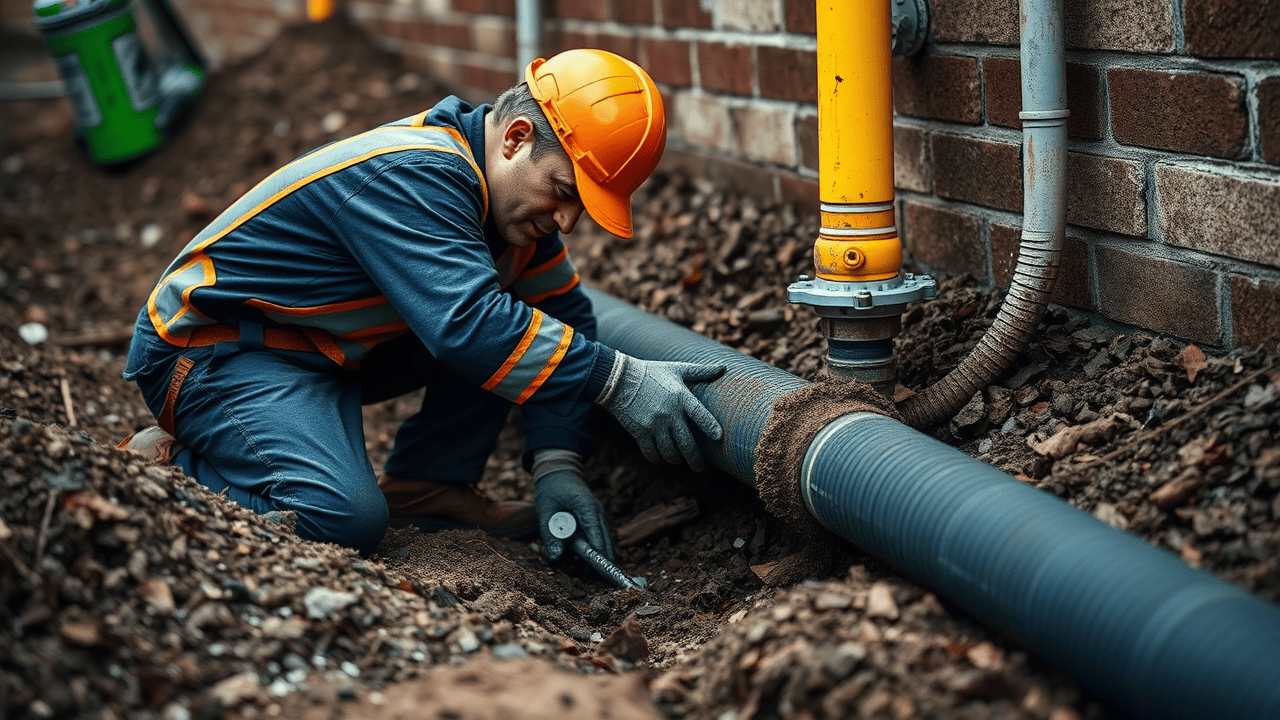
Homeowners facing issues with a backed-up sewer line have several repair options available. Traditional methods such as excavation allow for direct access to the pipes, making extensive repairs possible. This technique may be more invasive and requires significant labor but can prove effective for severe blockages or pipe damage. Another option is trenchless repair, which involves minimal digging and allows for easier access to the sewer line. Techniques like pipe bursting or relining use the existing pipeline to facilitate repairs, reducing the disruption to landscaping and driveways.
When considering repairs, it’s essential to evaluate the extent of the damage and the overall condition of the sewer line. Consulting professionals with experience in sewer line installation and repair Eugene, Oregon, can provide valuable insights into the best approach for your specific situation. Understanding the nuances of each method will help property owners make informed decisions, ensuring the longevity of their sewer systems while minimizing future issues.
Comparing Different Repair Methods
When addressing a backed-up sewer line, various repair methods can be considered based on severity and the specific issue. Traditional digging may be necessary for severe blockages where heavy-duty intervention is required. This method allows for a thorough inspection and clearing of the line but is labor-intensive and can disrupt landscaping. Alternatively, trenchless repair techniques have gained popularity owing to their less invasive nature. These methods involve relining or replacing pipes through existing access points, minimizing damage to nearby structures.
Another option to consider is hydro jetting. This technique uses high-pressure water to clear out blockages and clean the sewer line. It is effective for residues like grease or tree roots that may have accumulated over time. Residents in Eugene, Oregon, may want to explore the various services available for sewer line installation and repair Eugene, Oregon, as they can inform homeowners about the most suitable methods tailored to their specific plumbing needs. Each approach carries its unique benefits and considerations, making it essential to assess the situation carefully.
FAQS
What are common signs of a backed-up sewer line?
Common signs of a backed-up sewer line include gurgling noises from drains, slow drainage, overflowing toilets, and unpleasant odors coming from drains or yard.
What tools do I need to fix a backed-up sewer line?
Essential tools for fixing a backed-up sewer line typically include a plumber’s snake, a plunger, a drain auger, and a wet/dry vacuum. Additionally, you may need protective gear like gloves and goggles.
Can I fix a backed-up sewer line myself?
While some minor clogs can be addressed with basic tools and methods, it's often best to consult a professional plumber for significant backups, as they can assess and resolve underlying issues safely and effectively.
How often should I perform maintenance on my sewer line?
Regular maintenance is recommended at least once a year, though homes with older plumbing or trees nearby may require more frequent inspections to prevent backups.
What are the most effective repair options for a backed-up sewer line?
Effective repair options include hydro jetting, trenchless repair, and traditional excavation, depending on the severity of the blockage and the condition of the sewer line. Consulting a professional will help determine the best method for your situation.