Methods for Repairing a Broken Sewer Pipe
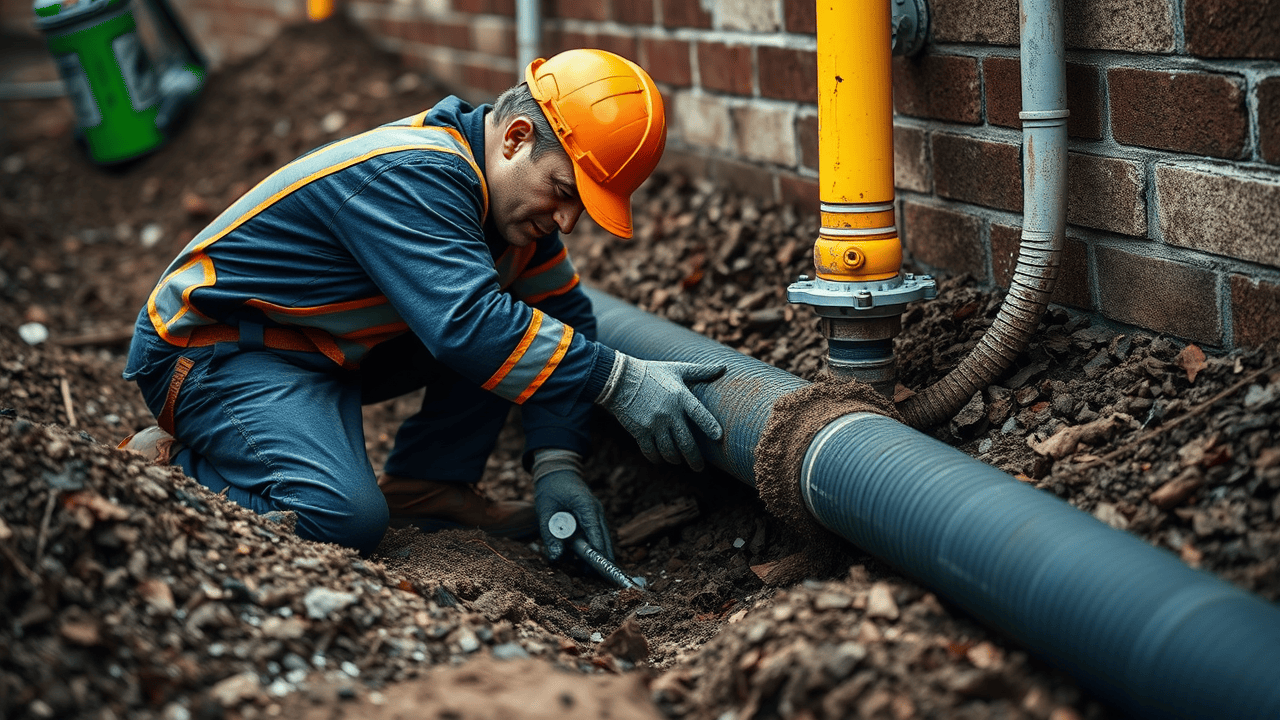
Repairing a broken sewer pipe can be approached through various methods, depending on the extent and location of the damage. Traditional techniques often involve digging up the affected area to expose the pipe, allowing for direct access to replace or repair it. This method provides a clear view of the problem but can be labor-intensive and disruptive to the surrounding landscape. In contrast, modern techniques utilize trenchless technology, which minimizes digging and focuses on internal repairs. These methods have gained popularity due to their efficiency and reduced environmental impact.
One popular option for sealing small cracks is epoxy application. This method can effectively restore the integrity of the pipe without the need for extensive excavation. Homeowners in regions such as Oregon may benefit from professional services specializing in sewer line installation and repair in Oregon, as experts can advise on the best techniques based on local soil conditions and pipe materials. Proper assessment is crucial to determine the most effective repair method and to achieve lasting results.
Comparing Traditional and Modern Techniques
Traditional methods of repairing broken sewer pipes often involve extensive excavation. This approach can be labor-intensive and time-consuming, as it requires digging up the landscape to expose the damaged pipe. Safety measures and traffic control need to be considered, especially in urban settings. These methods can result in significant disruption to the surrounding area, impacting both property owners and passersby who rely on these routes.
Modern techniques, such as trenchless technology, have changed the landscape of sewer line repair. These methods typically minimize excavation and allow for repairs to be made from the surface. Techniques like pipe relining and pipe bursting offer effective solutions for many types of damages. In Oregon, sewer line installation and repair professionals increasingly adopt these innovative methods to improve efficiency and reduce the disruption caused by traditional digs, leading to quicker and less invasive repairs.
Using Epoxy to Seal Small Cracks
Epoxy is a highly effective solution for sealing small cracks in sewer pipes. This method ensures a durable and waterproof bond, preventing further damage and infiltration of groundwater. The application process is relatively straightforward, making it accessible for both professionals and DIY enthusiasts. Many homeowners in Oregon prefer this technique due to its efficiency in minimizing excavation and disruption to their landscaping.
When considering sewer line installation and repair in Oregon, using epoxy is especially beneficial for addressing minor issues without the need for extensive repairs. It can extend the lifespan of existing pipes and is often a cost-effective solution. Proper preparation of the pipe surface is essential to ensure the epoxy adheres well and forms a tight seal, eliminating leaks and protecting against future problems.
StepbyStep Application Process
When repairing cracks in a sewer pipe with epoxy, start by gathering the necessary materials, including the epoxy resin, hardener, and any cleaning supplies. Begin by shutting off the water supply to the affected area. Remove any soil or debris surrounding the pipe to expose the damaged section. Clean the surface thoroughly to ensure maximum adhesion. This step is crucial since any grime or moisture can compromise the bond between the epoxy and pipe.
Next, mix the epoxy resin and hardener according to the manufacturer’s instructions. Apply the mixed epoxy putty over the cracks, ensuring it fills any voids and adheres well to the pipe surface. Smooth the application to create a seamless finish. After the epoxy cures, inspect the repair for any potential weaknesses. If done correctly, this method can effectively seal small cracks and prolong the life of the sewer line. Remember, for comprehensive solutions in sewer line installation and repair in Oregon, consulting a professional is advised.
Replacing Sections of Damaged Pipe
Replacing sections of a damaged sewer pipe often involves assessing the extent of the damage. A thorough inspection can help determine how much of the pipe needs to be removed. In most cases, using a camera to inspect the line reveals breaks, cracks, or blockages, facilitating informed decisions about the necessary repairs.
Once the damage is identified, the next step is to choose the right replacement material. Common options include PVC, ABS, or cast iron, each with its own advantages in terms of durability and ease of installation. It's essential to adhere to local building codes and regulations, especially when considering sewer line installation and repair in Oregon, to ensure the new sections integrate smoothly with the existing system.
Process of Choosing the Right Replacement
Selecting the right replacement for a damaged sewer pipe involves assessing various factors, including the size and material of the existing pipe. Consideration should be given to the pipe's diameter and wall thickness, as this can affect overall flow and structural integrity. Materials such as PVC, cast iron, or ABS each offer distinct advantages and drawbacks, making it essential to choose a type that best fits the requirements of the project. Local regulations can also dictate the appropriate materials and methods for sewer line installation and repair in Oregon.
Consulting with professionals can provide valuable insights into the best practices for replacement. Experienced technicians understand the nuances of local soil conditions and environmental factors that may influence the choice of materials. This expertise can lead to a more durable and efficient sewer line solution. Additionally, obtaining multiple quotes and timelines ensures that you select the most suitable contractor for your specific needs, particularly when it involves complex sewer line installation and repair in Oregon.
FAQS
What are the common signs of a broken sewer pipe underground?
Common signs of a broken sewer pipe include unusual wet spots in the yard, slow drainage, foul odors, and frequent backups in plumbing fixtures.
How do I determine whether to repair or replace a broken sewer pipe?
The decision to repair or replace depends on the extent of the damage. Minor cracks or leaks can often be repaired, while extensive damage may necessitate a full replacement.
Is it necessary to hire a professional for sewer pipe repairs?
While some small repairs can be done DIY, hiring a professional is recommended for more complex issues to ensure proper diagnosis and safe repairs.
How long does it usually take to fix a broken sewer pipe?
The time required for repairs can vary. Minor repairs may take a few hours, while replacement or extensive repairs can take several days, depending on the severity of the damage.
Can I prevent future sewer pipe issues?
Yes, regular maintenance, such as avoiding flushing inappropriate items and having periodic inspections, can help prevent future sewer pipe problems.