Environmental Influences on Sewer Pipe Durability
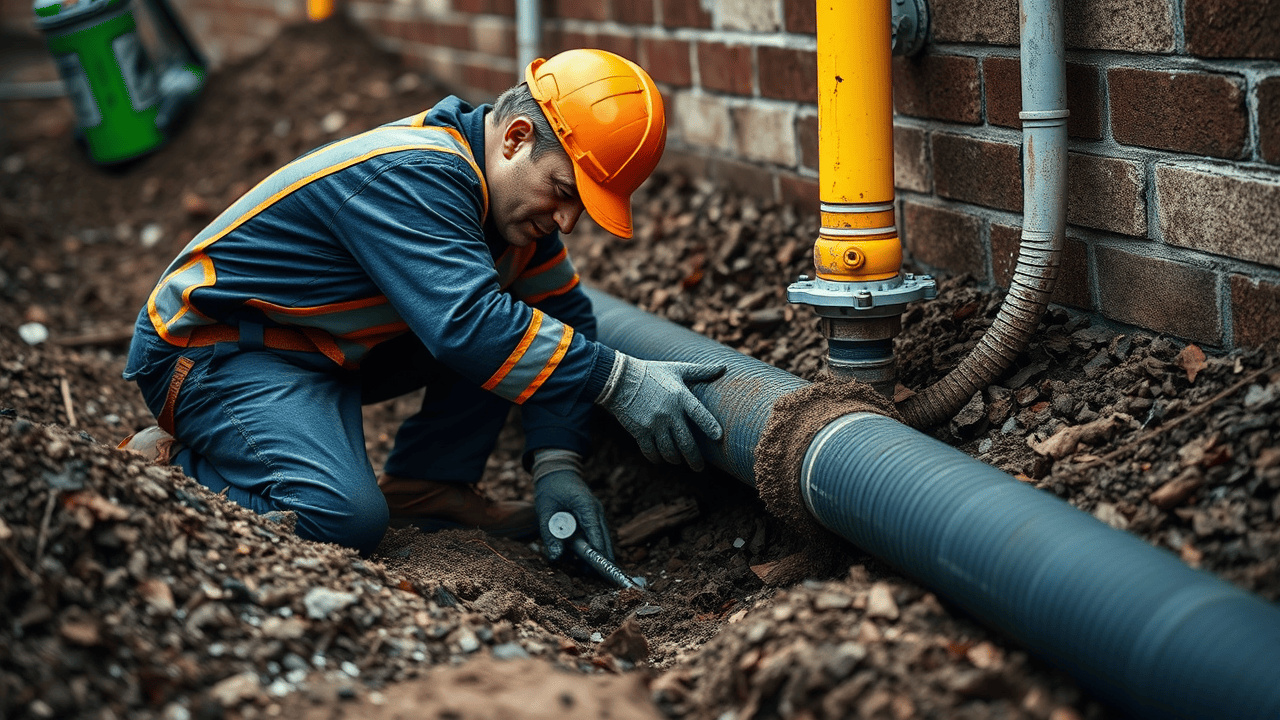
Environmental factors play a crucial role in determining the lifespan of sewer pipes. Temperature fluctuations can cause expansion and contraction, leading to cracks and structural weaknesses over time. Additionally, exposure to corrosive materials found in certain soils can accelerate the deterioration of pipe materials, particularly older clay and metal options. Homeowners should consider local environmental conditions when assessing the health and longevity of their sewer systems.
Choosing the right professionals for sewer line installation and repair near me is essential. Experts can evaluate the unique conditions of the surrounding environment and recommend suitable materials that are better suited to withstand potential hazards. Understanding these environmental influences helps inform maintenance and replacement decisions, ultimately ensuring a longer-lasting and more reliable sewer system.
Impact of Soil Conditions and Climate
Soil conditions play a crucial role in determining the longevity of sewer pipes. The type of soil surrounding the pipes can significantly affect their stability and integrity. Clay soils, for example, tend to retain water, leading to increased pressure on the pipes. Sandy soils, on the other hand, may not provide adequate support, allowing pipes to shift or settle unevenly. Variations in soil conditions can result in additional stress, ultimately impacting the lifespan of the sewer infrastructure. Homeowners often search for "Sewer line installation and repair near me" to find local services that can address these soil-related challenges.
Climate also influences sewer pipe durability. Areas with extreme temperature fluctuations can cause materials to expand and contract, potentially leading to cracks and other forms of damage. Consistent rainfall or flooding can erode the soil around pipes, exposing them to further risks. In places with heavy snowfall, the weight can apply pressure on the sewer lines, resulting in potential failures. Understanding these environmental factors is essential for proper maintenance and care of sewer systems.
Repairing vs. Replacing Sewer Pipes
When dealing with sewer pipe issues, homeowners often face the dilemma of whether to repair or replace their system. Repair can be a more cost-effective solution for minor problems such as small leaks or cracks. It allows homeowners to maintain their existing infrastructure while avoiding the higher expenses associated with a full replacement. Conversely, if the pipes have significant damage or are nearing the end of their lifespan, replacement may be the more prudent choice. This approach provides long-term benefits, reducing the likelihood of future disruptions and repairs.
Choosing between these options involves careful consideration of several factors. The age and condition of the current pipes play a critical role, as well as the severity of the damage. Local plumbing services that offer "Sewer line installation and repair near me" can provide essential guidance by conducting thorough inspections and assessments. Evaluating the potential costs over time and the anticipated lifespan of new materials can help homeowners make informed decisions, ensuring that they choose the right solution for their plumbing needs.
Factors to Consider When Making a Decision
When deciding whether to repair or replace sewer pipes, several factors come into play. Assessing the extent of damage is crucial; minor leaks may only require spot repairs, while widespread corrosion or blockages might necessitate a full replacement. Budget constraints can also influence this decision, as repairs tend to be less expensive upfront but may not address underlying issues that could lead to future problems. Local regulations may also dictate what options are available, potentially complicating the decision further.
The age of the existing sewer system is another critical consideration. Older pipes are more likely to have deteriorated materials that could pose risks over time. Homeowners should also evaluate the type of soil and environmental conditions around the pipes, as this can affect durability and the longevity of repairs. Conducting thorough research or consulting professionals with expertise in "Sewer line installation and repair near me" can provide insight into the best course of action for a given situation.
Innovations in Sewer Pipe Technology
Recent advancements in sewer pipe technology have significantly influenced the longevity and reliability of these systems. Innovative materials such as high-density polyethylene (HDPE) and PVC offer enhanced resistance to corrosion and environmental stressors. These materials not only improve durability but also allow for more flexible installation methods, reducing the risks of breaks due to shifting soil conditions. Many municipalities and contractors are adopting these technologies to ensure more sustainable infrastructure.
The integration of trenchless technology has further revolutionized how sewer pipes are installed and repaired. This method reduces surface disruption and minimizes the need for extensive excavation, making it more environmentally friendly and cost-effective. As a result, homeowners searching online for “sewer line installation and repair near me” can benefit from faster service with less impact on their property. The ongoing development in this sector holds promise for even longer-lasting solutions, addressing the challenges posed by aging sewer systems.
How New Materials are Changing Longevity
Advancements in sewer pipe technology have led to the development of materials that significantly enhance durability and longevity. Traditional materials like clay and cast iron are increasingly being replaced by alternatives such as PVC and HDPE. These modern materials resist corrosion, cracking, and deterioration, which are common issues with older pipes. Their lightweight nature also simplifies the installation process, reducing labor costs and minimizing disruption during sewer line installation and repair near me.
Moreover, innovations like trenchless technology allow for seamless installation and repair with minimal ground disruption. This method improves efficiency while ensuring the integrity of new materials is maintained. As communities seek sustainable and cost-effective solutions for their sewer systems, the shift to these durable materials becomes ever more crucial. The longevity of sewer pipes directly impacts maintenance schedules and overall infrastructure budgets.
FAQS
How long can sewer pipes typically last?
Sewer pipes can typically last between 50 to 100 years, depending on the material used and environmental factors.
What factors influence the lifespan of sewer pipes?
Factors influencing the lifespan of sewer pipes include soil conditions, climate, the material of the pipes, and maintenance practices.
What materials are commonly used for sewer pipes?
Common materials used for sewer pipes include clay, PVC, cast iron, and concrete, each with different durability and longevity characteristics.
How can I tell if my sewer pipes need repair or replacement?
Signs that your sewer pipes may need repair or replacement include frequent backups, slow drainage, foul odors, and visible cracks or leaks.
Are there any new technologies improving sewer pipe longevity?
Yes, innovations in sewer pipe technology, such as the use of trenchless methods and advanced materials like HDPE (high-density polyethylene), are enhancing the durability and lifespan of sewer pipes.